
A roof is not a fit and forget purchase, but a well chosen one should outlast almost everything else on the house. How long yours will actually last depends on the material it is made from, the quality of the original installation and how well it has been looked after along the way. Weather plays its part too, and roofs in exposed northern locations work harder than most. In this guide, the team at Elite Roofing Northeast explains the realistic lifespan of each common roofing material in the UK, what shortens a roof’s life and the simple habits that extend it.
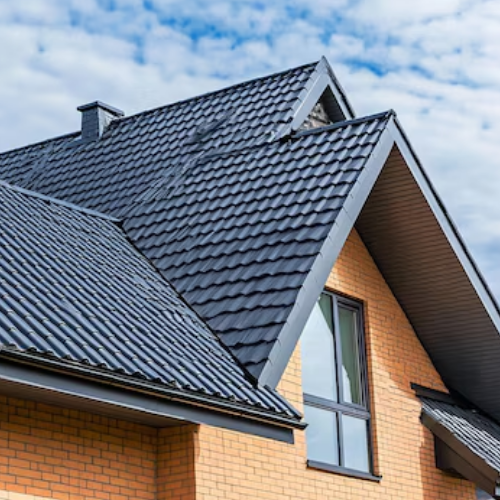
Average Lifespan by Roofing Material
Concrete tiles, the most common covering on UK homes, typically last 40 to 50 years before the surface begins breaking down and tiles turn porous. Clay tiles do better, routinely reaching 50 to 70 years and often longer, which is why they still top so many period properties. Natural slate is the long distance champion. A properly fixed slate roof can pass 100 years, with the fixings usually failing before the slate itself. Man made slate sits around 40 to 60 years. On flat roofs, the ranges are shorter. Traditional felt lasts 10 to 20 years depending on grade, EPDM rubber reaches 25 to 50 years and GRP fibreglass around 25 to 30 years when properly laid. Bear in mind these figures assume sound installation, because a poorly fitted roof of any material can fail decades early, which is why the roofer matters as much as the product.
What Shortens the Life of a Roof
The UK climate is the biggest factor, and northern and coastal properties feel it most. Repeated freeze and thaw cycles crack tiles that have turned porous with age, driving rain finds every weak flashing detail, and high winds work tiles loose one storm at a time. Beyond weather, the most common life shorteners are blocked gutters that force water back under the covering, heavy moss growth holding moisture against the tiles, and botched previous repairs where mismatched materials or mortar patches create weak points. Poor loft ventilation is an underrated one, since trapped condensation rots battens and timbers from the inside while the outside still looks fine. Finally, foot traffic causes real damage. Every trade who crosses a roof to reach an aerial or chimney can crack tiles underfoot, so it pays to check the roof after any work has been done up there.
How to Extend Your Roof’s Lifespan
Most of what extends a roof’s life is simple and cheap. Keep gutters clear so water always has somewhere to go, especially in autumn when leaves build fast. Have moss removed gently before it gets established, and never let anyone pressure wash the roof, which strips years off the covering in an afternoon. Replace slipped or cracked tiles promptly, because each one exposes the underlay beneath to UV and rain that it was never designed to face for long. Keep an eye on the felt or membrane from inside the loft, and make sure the space stays ventilated. It also pays to learn the signs your roof needs repairing or replacing so small problems get caught while they are still small. A professional inspection every couple of years costs little and routinely adds years to the point where replacement becomes necessary.
Why Choose Elite Roofing to Look After Your Roof
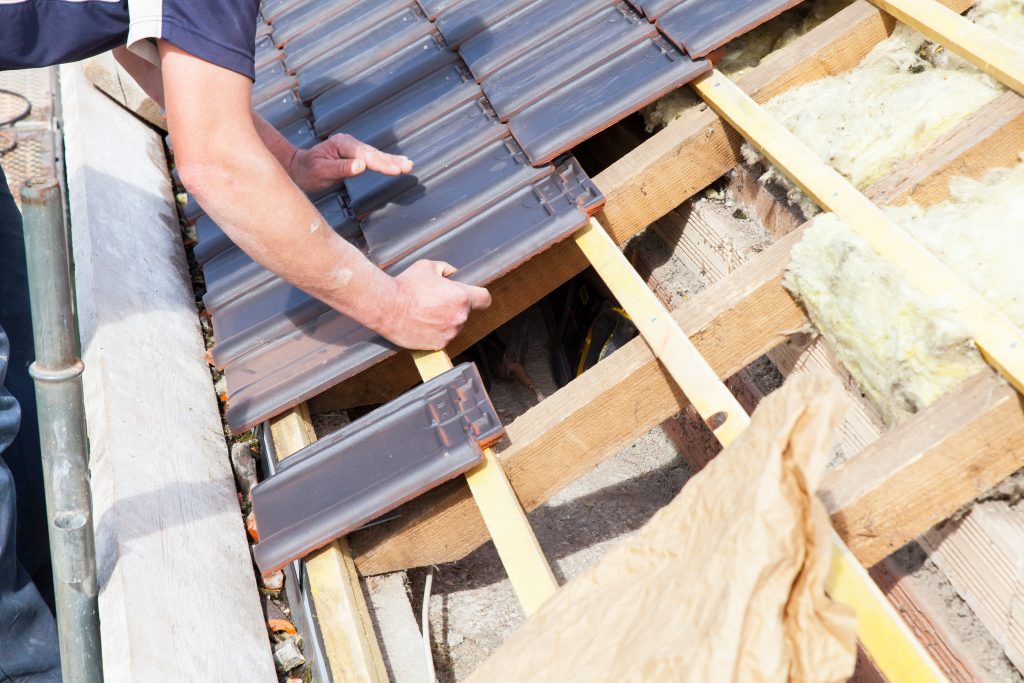
A roof only reaches its full lifespan when the work done on it is right, from the original installation to every repair along the way. We carry out honest inspections with photographs, so you always know the true condition of your roof rather than guessing. Repairs are done properly with matching materials, never quick patches that store up problems, and when a roof genuinely is at the end of its life, our team will tell you straight and provide a clear, itemised quote for replacement. We work across the North East and Teesside, and our reputation is built on giving homeowners advice they can trust and workmanship that lasts. Whether your roof needs five minutes of maintenance or a full strip and recover, it gets the same care.
Get an Honest Assessment of Your Roof
If you are not sure how much life your roof has left, the quickest way to find out is to have it looked at properly. Get in touch today for a free, no obligation roof inspection and we will give you a clear picture of its condition, what maintenance would help and a realistic idea of when replacement is likely to be needed, so you can plan ahead rather than react to an emergency. Call us directly or fill out the quote form on our website and we will arrange a convenient time.
Frequently Asked Questions
Below are the questions we hear most often about roof lifespans and planning for replacement. If yours is not covered, we are happy to answer it directly.
How do I find out how old my roof is?
Start with your property paperwork, as surveys from when you bought the house often note the roof’s condition and approximate age. Neighbours in identical houses are another good source, since estates were usually roofed at the same time and someone nearby may have replaced theirs already. Building control records can show if a roof replacement was carried out under a previous owner. Failing that, a roofer can estimate age from the tile type, fixings and general wear during an inspection, which also tells you the more useful answer of how much life is left rather than just how old it is.
Does a new roof come with a guarantee?
Yes, and you should expect two separate ones. The materials carry a manufacturer’s guarantee, often 30 years or more on tiles and membranes, while the roofer provides a workmanship guarantee covering the installation itself, typically 10 to 20 years depending on the firm. Always get both in writing before work starts and check whether the workmanship guarantee is insurance backed, which protects you if the company later stops trading. A reputable roofer will explain exactly what is covered without being asked, and a vague answer on guarantees is a warning sign worth heeding.
Is it worth replacing a roof before selling a house?
Often, yes. A visibly tired roof is one of the first things buyers and surveyors flag, and it can knock more off an offer than the replacement would have cost, or stall the sale entirely while renegotiations drag on. A recently replaced roof with a transferable guarantee removes that obstacle and presents the house as well maintained. If a full new roof is not realistic before listing, having repairs done and an inspection report available still reassures buyers. The right choice depends on the roof’s condition and your timescale, which an honest inspection will clarify quickly.