
Most roof problems start small and stay hidden until they become expensive. A slipped tile here, a worn patch of flashing there, and by the time water shows up on a bedroom ceiling the damage underneath has often been building for months. Knowing what to look for means you can act early, and acting early almost always means a cheaper fix. In this guide, Elite Roofing Northeast runs through the warning signs every homeowner should check for, both outside and inside the house, and explains when a repair will do the job and when replacement is the wiser spend.
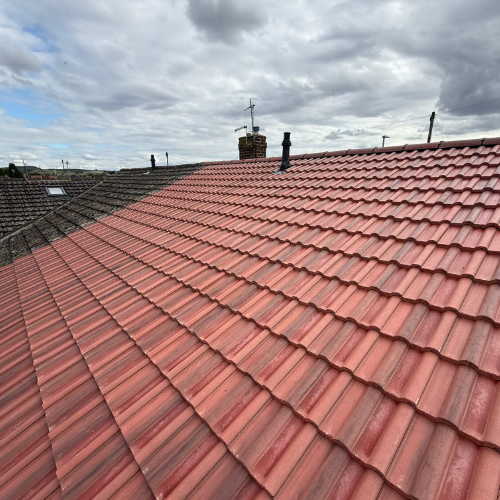
Warning Signs You Can Spot from the Ground
You do not need to climb a ladder to catch most roof problems early. Stand back from the house on a clear day and look along the roofline. It should be straight and level, so any visible dip or sag suggests trouble with the timbers beneath. Scan the roof surface for tiles that are slipped, cracked, curled or missing altogether, and check the ridge line along the top for gaps in the mortar or dislodged ridge tiles. Around the chimney, look at the lead flashing, which should sit flat and tight rather than lifting or crumbling. Gutters tell a story too. Granules washing out of them, or bits of broken tile appearing after storms, are signs the roof covering is breaking down. Moss is not always serious, but heavy growth holds moisture against the tiles and speeds up wear, especially on north facing slopes.
Signs of Roof Trouble Inside Your Home
Some of the clearest evidence shows up indoors. Head into the loft with a torch on a bright day and look up. Any pinpricks of daylight through the roof mean water can get in the same way. Check the underside of the felt or membrane for tears, damp staining or dark patches, and feel the timbers for softness, which points to rot. Back in the living space, watch for brown or yellow stains on ceilings, damp patches on upstairs walls, peeling paint near the roofline and a musty smell that lingers. A sudden rise in heating bills can also trace back to the roof, since gaps and failed insulation let warmth escape. None of these signs should be ignored, because water travels along timbers and can surface a long way from the actual leak, making the problem look smaller than it really is.
Repair or Replace: How to Decide
The right call comes down to age, extent and frequency. A roof under 20 years old with a handful of slipped tiles or one worn flashing detail is nearly always a repair job, usually a few hundred pounds and done in a day. The equation shifts when the covering is 40 years old or more, when problems keep returning each winter, or when damage covers a wide area rather than one spot. Repeated patch repairs on a tired roof are a false economy, because each fix buys less time than the last. If you are weighing it up, it helps to understand how much a new roof costs so you can compare realistically. A proper survey settles the question. Any roofer worth hiring will photograph the damage, explain what is urgent and what can wait, and give you an honest recommendation rather than pushing the biggest job.
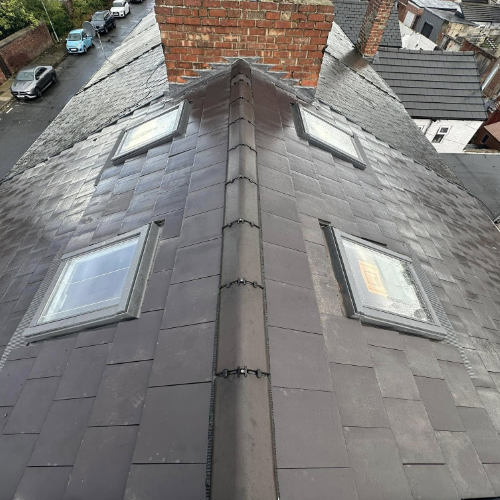
Why Choose Elite Roofing for Repairs and Replacements
Whether the answer turns out to be a small repair or a full replacement, the firm you choose matters more than anything else. We inspect every roof properly before quoting, photograph what we find so you can see the condition for yourself, and give a straight recommendation based on what the roof actually needs. Every job is carried out by our team of experienced, time served roofers, using quality materials and leaving the property clean and tidy at the end of each day. We serve homeowners across the North East and Teesside, and a large share of our work comes from recommendations, which only happens when customers trust the advice they were given. Clear pricing, honest assessments and workmanship we stand behind are the standard on every job, large or small.
Book a Free Roof Inspection Today
If any of the signs in this guide sound familiar, do not wait for the next storm to find out how bad the problem is. Get in touch today and we will arrange a free, no obligation inspection at a time that suits you. One of our roofers will assess the condition, show you photographs of anything that needs attention and provide a clear written quote for the work, whether that is a same week repair or a full replacement. Call us directly or fill out the quote form on our website and we will get back to you promptly.
Frequently Asked Questions
These are the questions homeowners ask us most often when they first spot a problem with their roof. If yours is not answered below, we are always happy to help directly.
How often should I have my roof inspected?
A visual check from the ground twice a year is a sensible habit, ideally in spring and autumn, plus a look after any major storm. A professional inspection every two to three years catches the problems you cannot see from ground level, such as failing flashing details, early membrane wear or blocked valleys. If your roof is more than 30 years old, an annual professional check is worth the small cost, because catching a failing area early on an older roof can delay a full roof replacement by years and keeps repair bills at the manageable end.
Can I claim roof damage on my home insurance?
It depends on the cause. Most buildings insurance covers sudden storm damage, such as tiles ripped off by high winds or a tree branch coming through the covering, but it does not cover gradual wear and tear or problems caused by lack of maintenance. Insurers usually ask for evidence, so photographs taken promptly after the damage, along with a written report from a roofer, strengthen a claim considerably. If a storm has damaged your roof, arrange a roof repair inspection quickly, both for the claim and to prevent water getting in while you wait.
Is moss on my roof something to worry about?
Light moss is common on UK roofs and mostly cosmetic, but heavy growth deserves attention. Thick moss holds moisture against the tiles, which accelerates frost damage in winter as trapped water freezes and expands. Clumps can also slide into gutters and valleys, causing blockages and overflows. The right approach is gentle removal and a treatment to slow regrowth, never pressure washing, which strips the protective surface from tiles and can force water under the covering. If moss keeps returning quickly, it is worth having the roof checked, as it can indicate tiles that are already porous and nearing the end of their life.