
A new roof is one of the biggest single investments you will make in your home, so it pays to know what you are likely to spend before you start asking for quotes. Prices vary more than most homeowners expect, and two houses on the same street can come back with very different figures depending on size, materials and access. In this guide, the team at Elite Roofing Northeast breaks down what a new roof typically costs across the North East, what pushes the price up or down, and how to make sure the quote you accept is a fair one.
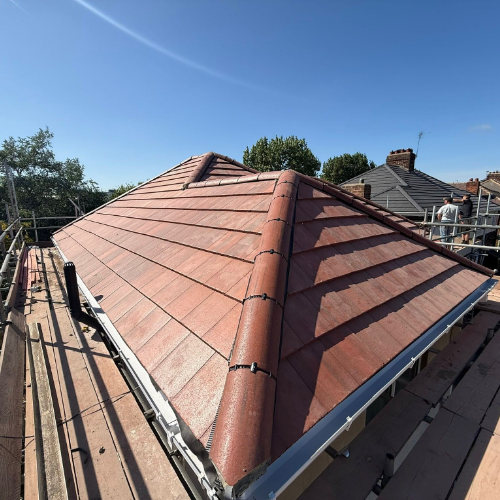
Average New Roof Prices in the North East
As a general guide, a full roof replacement on a typical North East home falls somewhere between £5,000 and £12,000. A small terraced house with a straightforward pitched roof and concrete tiles usually sits at the lower end, often between £4,500 and £7,000. A three bed semi tends to come in around £5,500 to £9,000, while larger detached properties with more complex rooflines can reach £10,000 to £15,000 or more. Flat roofs on garages and extensions are a different job altogether, typically ranging from £1,500 to £4,000 depending on the size and the covering used. These figures include stripping the old roof, replacing membrane and battens, fitting the new covering and clearing away the waste. Treat them as a starting point rather than a promise, because every roof has its own quirks, which is exactly why a proper survey matters before any price is confirmed.
What Affects the Cost of a New Roof?
The single biggest factor is the size and pitch of your roof, because both determine how much material is needed and how long the job takes. Beyond that, the choice of covering makes a substantial difference, with concrete tiles at the affordable end and natural slate commanding a premium. Access is another cost many homeowners overlook. If scaffolding needs to go up over a conservatory, a shared alley or a steep drive, the price rises accordingly. The condition of what sits underneath matters too. Rotten timbers, crumbling chimney flashing or a sagging structure all need putting right before the new covering goes on, and these repairs only reveal themselves once the old roof is stripped. Finally, extras such as new fascias, soffits, guttering and insulation upgrades are often worth doing at the same time, since the scaffolding is already in place.
Roofing Material Costs Compared
Concrete tiles remain the most popular choice across the North East because they offer solid performance at the lowest price, typically £30 to £50 per square metre supplied and fitted into the overall job. Clay tiles cost more but hold their colour far better over the decades and suit period properties. Natural slate is the premium option, often adding several thousand pounds to a full replacement, but it can last a century or more and adds genuine value to the right house. Man made slate offers a similar look at a friendlier price, which makes it a sensible middle ground for many homeowners. For flat roofs, traditional felt is the cheapest covering but has the shortest lifespan, while EPDM rubber and GRP fibreglass cost more upfront and routinely last 25 years or longer. The right material depends on your budget, your property style and how long you plan to stay in the home.
Repair or Replace: Which Makes Financial Sense?
Not every leaking roof needs replacing, and a trustworthy roofer will tell you when a repair is the smarter option. A handful of slipped or cracked tiles, a worn patch of flashing around the chimney or a localised flat roof blister can usually be repaired for a few hundred pounds. The maths changes when problems keep coming back. If you are paying for repairs every winter, if daylight is visible through the roof space, or if the covering is beyond 40 to 50 years old, patching becomes a false economy and replacement is the better long term investment. A full survey will show whether the underlying structure is sound. When you get in touch with a roofer, ask them to photograph what they find so you can see the condition for yourself rather than taking anyone’s word for it. An honest assessment now saves far bigger bills later.
Why Choose Elite Roofing for Your New Roof?
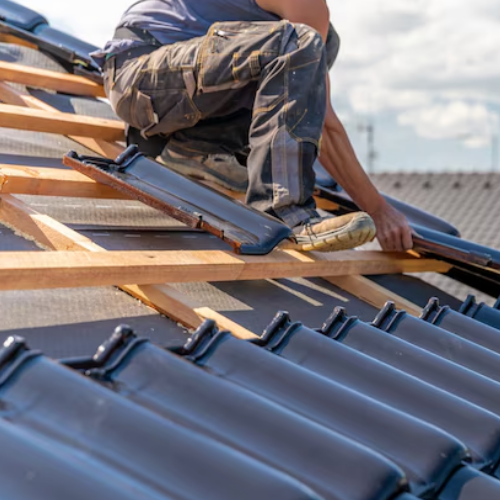
Plenty of firms can quote for a roof, but the difference shows in how the work is carried out and how the price is explained. We provide clear, itemised quotations with no hidden extras, so you know exactly what you are paying for before a single tile is lifted. Every job is completed by our team of experienced, time served roofers rather than subcontracted out, and we treat your home with the same care we would our own, from protecting driveways and gardens to leaving the site spotless at the end of each day. We work with quality materials from trusted manufacturers and stand behind every roof we fit with a full guarantee. Our reputation across the North East has been built on recommendations from homeowners who valued straight answers, fair prices and workmanship that lasts.
Get an Accurate Roof Quote Today
Guide prices are useful for budgeting, but the only way to know what your roof will actually cost is to have it properly assessed. Whether you need a full replacement, a new flat roof or simply an honest opinion on whether a repair will do the job, we are happy to help. Get in touch today for a free, no obligation survey and quotation, and one of our roofers will take a look, talk you through the options and provide a clear written price with no pressure attached. You can call us directly or fill out the quote form on our website, and we will get back to you promptly to arrange a convenient time.
Frequently Asked Questions
Below are the questions homeowners ask us most often when budgeting for a new roof. If yours is not covered here, we are always happy to answer it directly.
How long does a full roof replacement take?
Most standard roof replacements in the North East take between three and five days from scaffold up to scaffold down. A small terraced roof with straightforward access can sometimes be completed in two to three days, while a large detached property with multiple pitches, dormers or a chimney rebuild may take a week or more. Weather plays a part too, as heavy rain or high winds can pause work for safety reasons. A good roofer will give you a realistic timescale in the quotation and keep the roof watertight overnight throughout the job, so your home is never left exposed while the work is in progress.
Will I need scaffolding, and is it included in the price?
Yes, scaffolding is required for almost every roof replacement, both for safety and to comply with working at height regulations. Any reputable quotation should include the scaffold cost as a clearly itemised figure rather than a surprise added later. Expect scaffolding to account for roughly £800 to £1,500 of a typical job depending on the size of the property and how complicated the access is. If a quote seems unusually cheap, check whether scaffolding has been left out, because that is one of the most common tricks used to make a headline price look attractive.
Does a new roof add value to my home?
A new roof is one of the few home improvements that buyers and surveyors notice immediately, and it removes one of the biggest red flags that can hold up a sale. While you may not recover the full cost pound for pound, a recently replaced roof with a transferable guarantee makes a property significantly easier to sell and can strengthen your asking price. It also cuts your running costs, since modern breathable membranes and upgraded insulation improve energy efficiency. If you are planning to sell within a few years and your roof is visibly tired, replacing it is usually money well spent.
Can a new roof be fitted in winter?
It can, and experienced roofers work all year round in the North East. Winter jobs are planned around the forecast, with the roof stripped in manageable sections and protected with heavy duty sheeting so the property stays watertight overnight. Some materials, such as certain flat roof systems, have minimum temperature requirements for installation, so your roofer may schedule those elements for a suitable window. The main practical difference in winter is that jobs occasionally take a day or two longer to allow for weather delays. There is no need to wait until summer if your roof needs urgent attention now.